Costa Rica’s vibrant traditions and rich culinary history are reflected in the cultivation and processing of sugarcane, a key part of Costa Rican heritage. Particularly in Guanacaste, a pioneering region in sugarcane cultivation, this practice has deep historical roots and contemporary importance.
Historically, sugarcane cultivation in Costa Rica began in peasant households, serving both as a sweetener and as livestock feed ( bagasse ). Small-scale sugarcane fields were a common sight, reflecting a subsistence approach to agriculture.
Today, sugarcane cultivation is a cornerstone of traditional agricultural practices in Costa Rica. Its role in the national economy is significant, contributing to the Gross Domestic Product (GDP), generating direct employment, and increasing exports.


During the colonial era, the Guanacaste province was known for its rudimentary wooden sugar mills, powered by oxen, for extracting juice. This juice was essential for creating various products, including distilled beverages, granulated sugar, and the famous tapa de dulce. Tapa de dulce involved drying the sugarcane juice in wooden or stone molds, creating a sweetener for hot drinks or a candy to enjoy in small pieces at home.
The period following independence in 1821 marked the beginning of sugarcane’s industrial journey. By 1850, with the establishment of the National Liquor Factory, production experienced a significant increase.
In Guanacaste, the “trapiche process” continues to be a source of regional pride, connecting Costa Ricans with their roots and the flavors appreciated by their ancestors.
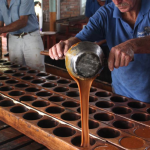
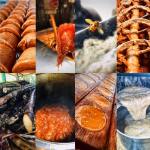
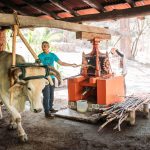
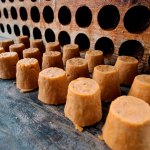
At Rincon , we invite you to immerse yourself in the traditional sugarcane process. Witness firsthand the sugarcane harvesting and the artisanal methods used to create various sugarcane products. This experience is complemented by the delicious taste of fresh, homemade corn donuts. You’ll also have the opportunity to meet our beloved ox, Caramelo, a key figure in our traditional sugar mill operation.
Join us for an authentic and unforgettable journey to the heart of Costa Rican culture!
The process of making traditional sugarcane-based beverages:
- Preparation: Begin by cutting and washing the sugar cane.
-
- Juice extraction options:
- Boil the chopped sugarcane to extract its juice.
- Use a manual mill to grind the sugarcane and obtain juice.
-
- Serving options:
- Use boiled sugarcane juice to enhance coffee.
- Enjoy the fresh juice from the sugar mill, plain or with a squeeze of lemon.
Experience this tradition in Rincon Thermals:
Embark on this sweet journey with us at Rincon . Connect with Costa Rica’s heritage, savor traditional flavors, and create memories that will last a lifetime.